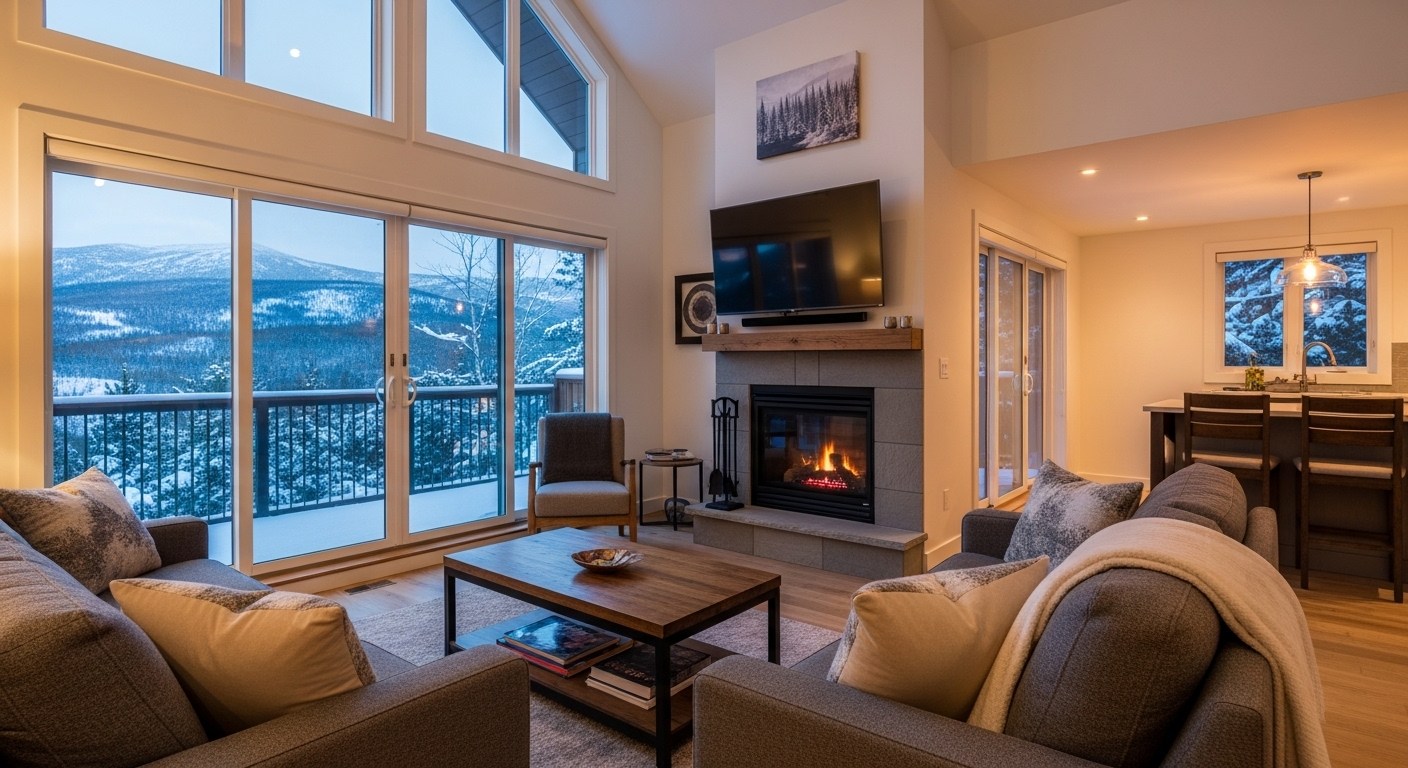
Hands-Off Short Term Rental Management in the Laurentides, Clearly Documented and Locally Handled
Owning a chalet in Mont-Tremblant or the Laurentides should feel like an asset — not an ongoing operational burden.
But for many remote owners, what starts as a passive investment quickly turns into calendar syncing, late-night guest messages, vendor coordination, snow logistics, spa maintenance, and constant “just checking in” texts.
That’s where structured short term rental management changes everything.
At Gestion V, we provide hands-off chalet rental management built for owners who want predictable revenue, protected reviews, and local oversight — without managing the day-to-day themselves.
Everything is handled. Clearly. Calmly. Locally.
Where Revenue Actually Slips Away in Short-Term Rentals
Most revenue loss doesn’t come from market downturns.
It comes from small operational gaps:
A missed turnover.
A delayed guest reply.
A spa not reset properly.
Snow not cleared before check-in.
A minor maintenance issue that becomes a refund request.
In a high-demand region like Mont-Tremblant, one disrupted booking can impact multiple future reservations through reviews and ranking visibility.
Professional airbnb management is not just about answering messages. It’s about tightening every operational link so your calendar stays filled and your nightly rate stays justified.
Our process focuses on:
Synchronized turnovers aligned with booking calendars
24/7 guest communication with documented response protocols
Vendor coordination before small issues become larger ones
Preventive maintenance planning tied to seasonal realities
The result is simple: fewer revenue leaks and fewer surprises.

Managing a Chalet Remotely Requires More Than Good Intentions
Many owners live in Montreal, Toronto, or outside Québec entirely. From a distance, everything can look fine — until it isn’t.
Winter adds another layer of complexity in the Laurentides:
Access paths must remain safe.
Snow accumulation affects decks and roofs.
Spa systems require monitoring.
Freeze-thaw cycles stress exterior materials.
Without consistent local oversight, minor issues compound quietly.
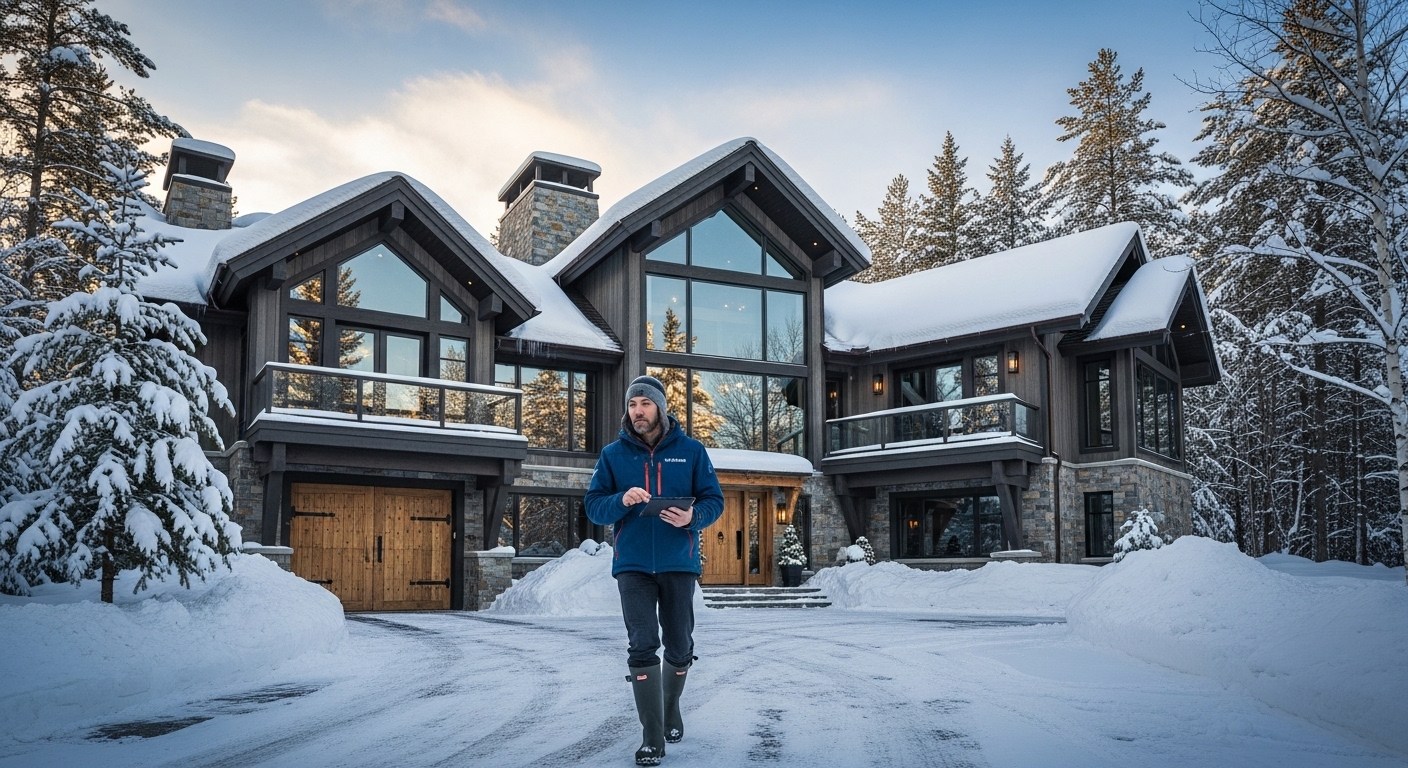
Our chalet rental management in the Laurentides includes structured on-site presence, seasonal inspections, and photo-documented updates. Owners are informed, but not burdened.
You remain in control of decisions and costs. We manage the execution. This is not reactive management. It is preventive coordination.
What Full-Service Short Term Rental Management Actually Covers
A common question we hear is:
“What does a short term rental manager really handle?” The answer should be clear — not vague.
Our short term rental management in Mont-Tremblant typically includes:
Owner Onboarding & Listing Structure
Platform setup and optimization
Listing copy refinement
Calendar configuration
Pricing coordination guidance
24/7 Guest Communication
Pre-arrival messaging
In-stay coordination
Issue escalation procedures
Post-stay follow-ups
Guests receive structured communication. Owners receive summary updates.
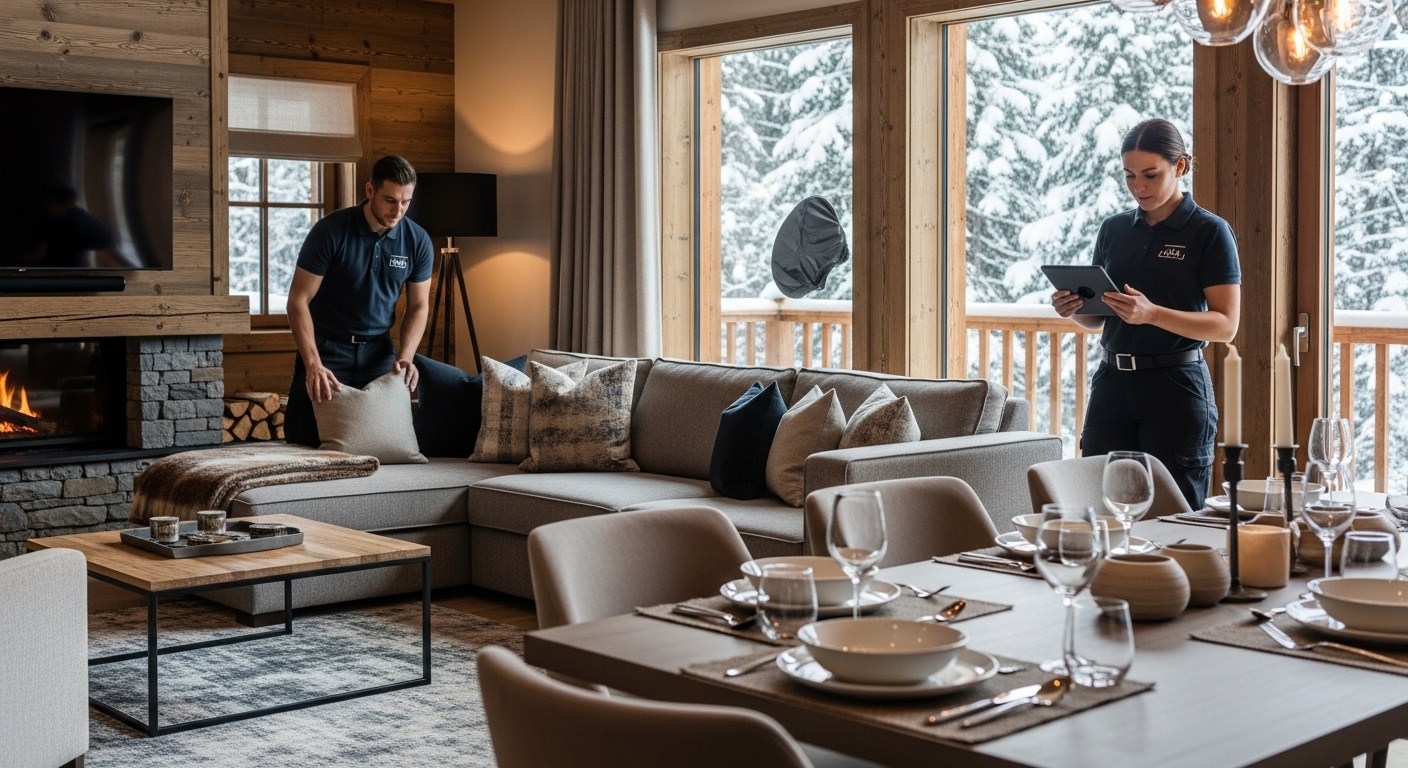
Turnover & Housekeeping Coordination
Checklist-driven cleaning protocols
Linen logistics
Consumable restocking
Before/after photo logs
Consistency here directly protects reviews.
Maintenance & Preventive Care
Vendor scheduling
Seasonal upkeep planning
Spa and exterior care
Small repairs before they impact bookings
Reporting & Revenue Oversight
Clear summaries
Photo documentation
Ongoing performance visibility
Everything is documented. Nothing is improvised.
Protecting Reviews Is Protecting Revenue
In the short-term rental ecosystem, reputation is public. A single 3-star review can influence ranking visibility, conversion rates, and guest perception long after the issue is resolved.
Many review issues are not dramatic. They are operational:
A slightly rushed clean.
A missed maintenance detail.
Slow communication.
Amenities not functioning as expected.
Professional airbnb management in Mont-Tremblant is about safeguarding consistency.
Our approach protects:
Cleanliness standards
Response times
Property readiness
Guest expectations
You do not need to be the one answering every message at 10:30 p.m. to maintain strong reviews. You need a structured local system that runs reliably whether you are nearby or not.
Predictable Costs, Clear Scope, No Guesswork
Another frequent concern is cost structure.
Owners compare:
Self-managing vs professional management
Commission-based fees vs fixed packages
Airbnb platform fees vs management fees
The real comparison, however, is between:
Unstructured oversight And Documented operational control.
Our short term rental management services in the Laurentides are modular and transparent. Owners can choose:
Full management
Management plus maintenance
Housekeeping coordination
Or bundled oversight depending on property needs
There are no ambiguous service gaps.
Clear scope reduces friction.
Clear reporting reduces doubt.
Clear communication reduces stress.
Why Local Presence in Mont-Tremblant Matters
Short-term rentals are not managed effectively from a spreadsheet alone.
They require local awareness:
Seasonal patterns
Guest traffic peaks
Weather-driven maintenance cycles
Vendor reliability
Gestion V operates with a focused presence in Mont-Tremblant and the wider Laurentides region. That proximity allows for faster coordination, more consistent vendor relationships, and practical problem-solving.
When something needs attention, it is handled by people who know the area — not outsourced to distant call centers. Local presence creates stability.
Stability protects bookings.
Hands-Off Does Not Mean Hands-Uninformed
Many owners hesitate to transition to professional management because they fear losing visibility. Our model keeps you informed without making you responsible for daily execution.
You receive:
Structured updates
Photo documentation
Transparent billing
Clear communication channels
You remain the owner.
We handle the operations.
The difference is subtle but powerful.
A Structured Path From Ownership to Stability
Whether you are:
A new chalet owner preparing for your first booking
An active host feeling operational strain
A remote investor seeking consistency
Or a second-home owner wanting responsible oversight
Professional chalet rental management in Mont-Tremblant should simplify your life, not complicate it. At Gestion V, the objective is not just management.
It is stability. When turnovers are synchronized, maintenance is preventive, communication is structured, and oversight is local, the property performs as intended — financially and operationally.
Your chalet becomes what it was meant to be:
A performing asset.
A well-maintained property.
A responsibility that feels manageable.
`Request a Chalet Management Review
If you’re evaluating short term rental management in the Laurentides or Mont-Tremblant, the next step is clarity. Request a structured review of your property.
We’ll outline:
What full-service management would cover
How turnovers and maintenance would be coordinated
What reporting would look like
And how oversight can reduce operational strain
No pressure. No obligation. Just a clear picture of what hands-off, locally handled management looks like for your chalet.